About this carbon credit project
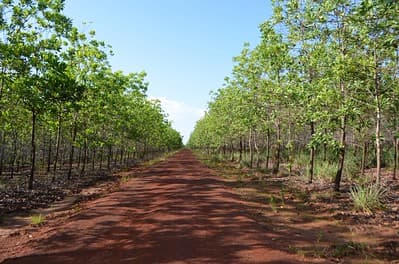
The Afforestation of degraded grasslands in Vichada, Colombia (VCS ID: 2512) is a large-scale grouped project that aims to restore degraded grasslands by establishing commercial timber plantations. The project is located in the municipalities of Puerto Carreño and La Primavera in the Vichada department of Colombia, a region historically characterized by low-fertility soils degraded by unmanaged cattle grazing and frequent fires.
The primary activity involves planting fast-growing tree species, mainly Eucalyptus pellita and Acacia mangium, as well as improved Eucalyptus hybrids. Initially focused on producing wood chips for biomass energy, the project has expanded its commercial scope to include treated fence posts and industrial lumber, enhancing its long-term financial viability.
Environmental Benefits:
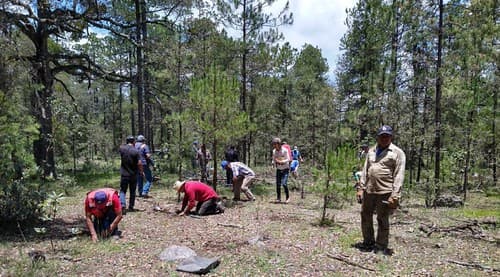
The project's main climate benefit is the removal of significant amounts of atmospheric CO2, sequestering it in the growing biomass of the plantations. Over its 30-year crediting period, it is estimated to remove an average of 98,588 tonnes of CO2e per year. By converting degraded grasslands back to forested land, the project also aims to improve soil health, restore hydrological functions, and promote connectivity between remaining patches of natural ecosystems, such as native forests and "morichales" (palm swamps). Specific biodiversity monitoring of flora and fauna is conducted to serve as a baseline for measuring long-term positive impacts.
Social and Community Benefits:
Located in a region historically affected by poverty and limited economic opportunities, the project provides significant local employment. It has created over 100 full-time jobs, with a commitment to gender equality, ensuring at least 20% of positions are held by women. The project provides regular training for its workers on topics ranging from technical skills to workplace safety and biodiversity conservation. Beyond direct employment, the project supports local communities by providing economic assistance to health centers in the Aceitico and La Venturosa settlements and collaborating on health campaigns with municipal authorities.