
Verified Carbon Standard
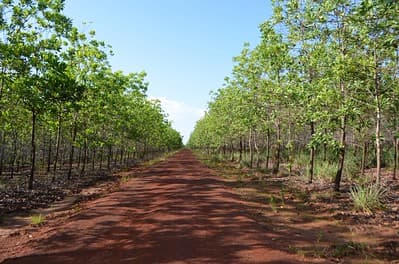
Afforestation of Degraded Grasslands in Vichada, Colombia
Colombia · Afforestation
CRISP project rating: 4.2 / 5
View project details
The Verified Carbon Standard, run by Verra, is the world’s most widely used voluntary carbon programme. Compare the available VCS projects below, then read how to check a project, what a VCU is and where the risks sit.
Verra Registry ↗About the Verified Carbon Standard ↗The ten VCS quality principles explained (carbonfootprint.com) ↗How CRISP ratings work (carbonoffsetratings.org) ↗
31 projects currently listed in this category. Availability and vintages may change.
Verified Carbon Standard
Colombia · Afforestation
CRISP project rating: 4.2 / 5
View project details
Verified Carbon Standard
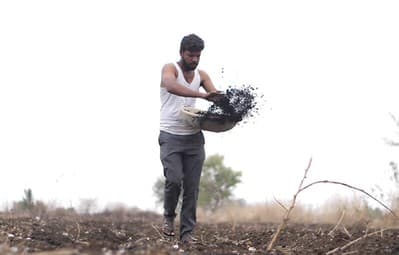
India · Biochar
CRISP project rating: 4.4 / 5
View project details
Verified Carbon Standard
India · Solar Power
CRISP project rating: 3.8 / 5
View project details
See prices and buy
Prices per tonne are shown once you have a free account. It takes under a minute and needs no card.
Prefer to look around first? Browse the marketplace as a guest, without prices.
Verified Carbon Standard
India · Wind Power
CRISP project rating: 3.8 / 5
View project details
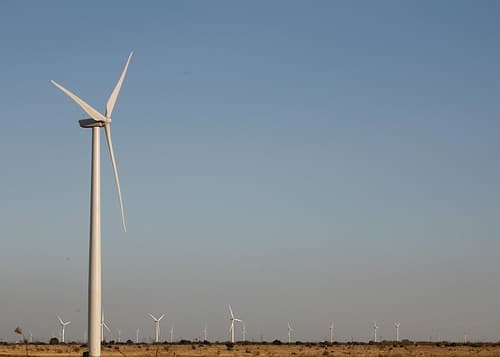
Verified Carbon Standard
United States (USA) · Wind Power
CRISP project rating: 3.7 / 5
View project details
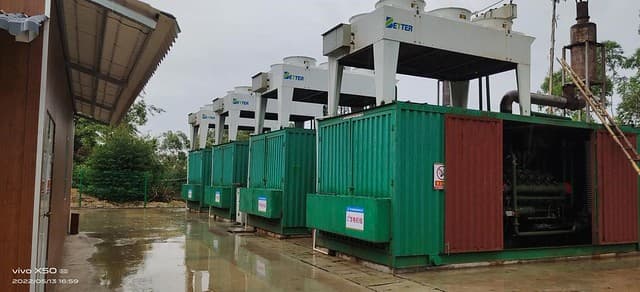
Verified Carbon Standard
China · Land Fill Gas
CRISP project rating: 4.8 / 5
View project details
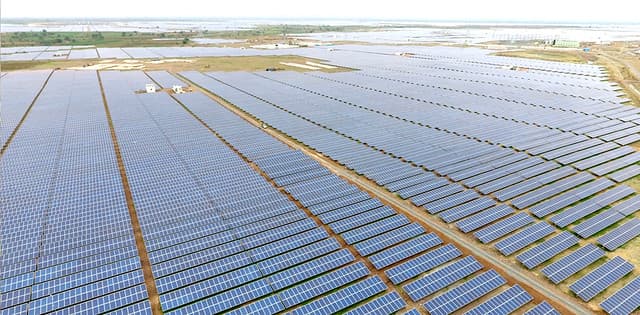
Verified Carbon Standard
India · Solar Power
CRISP project rating: 3.9 / 5
View project details
&w=3840&q=75)
Verified Carbon Standard
United Kingdom (UK) · Energy Efficiency
CRISP project rating: 4.2 / 5
View project details
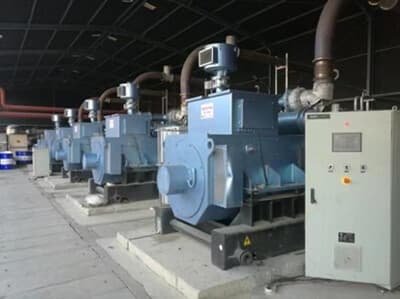
Verified Carbon Standard
China · Land Fill Gas
CRISP project rating: 5.0 / 5
View project details
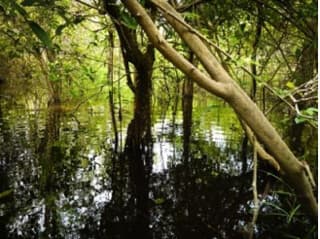
Verified Carbon Standard
Indonesia · REDD
CRISP project rating: 3.5 / 5
View project details
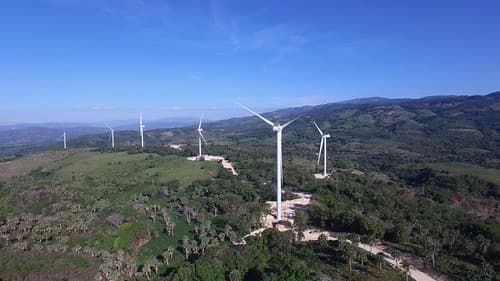
Verified Carbon Standard
Dominican Republic · Wind Power
CRISP project rating: 3.9 / 5
View project details
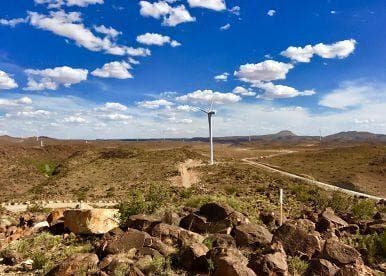
Verified Carbon Standard
South Africa · Wind Power
CRISP project rating: 4.0 / 5
View project details
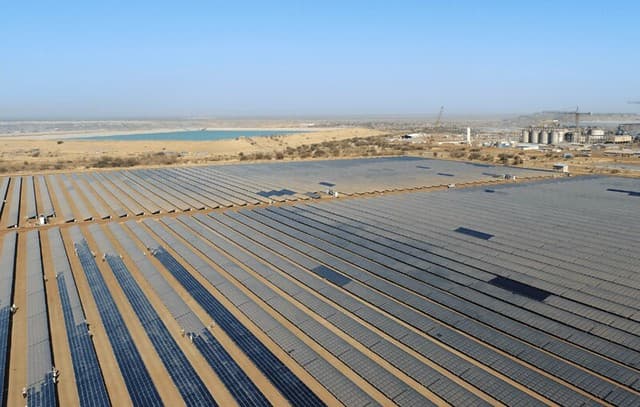
Verified Carbon Standard
Burkina Faso (Africa) · Solar Power
CRISP project rating: 3.8 / 5
View project details
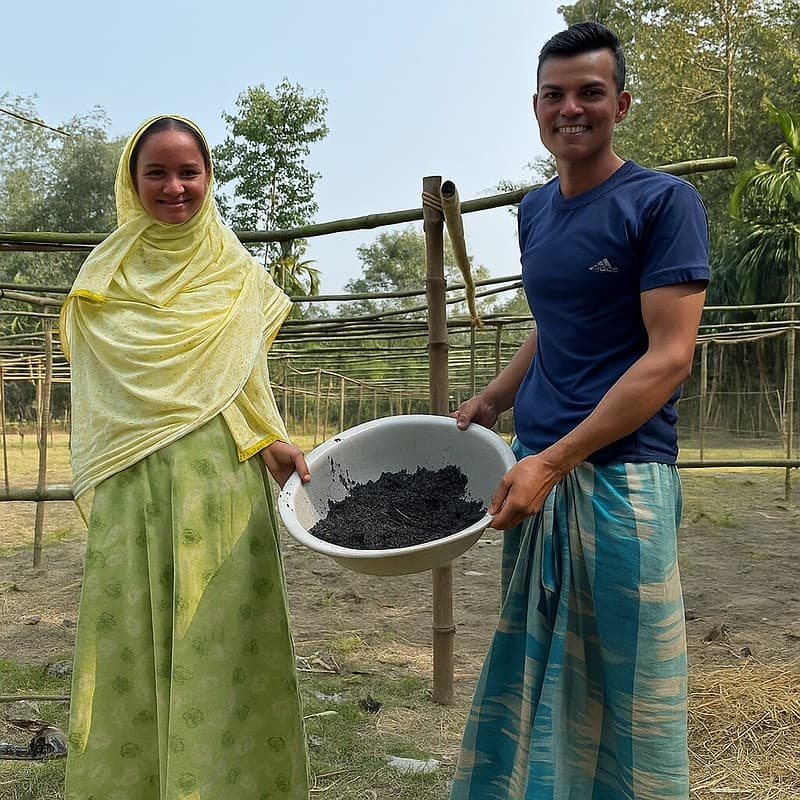
Verified Carbon Standard
India · Biochar
CRISP project rating: 4.6 / 5
View project details
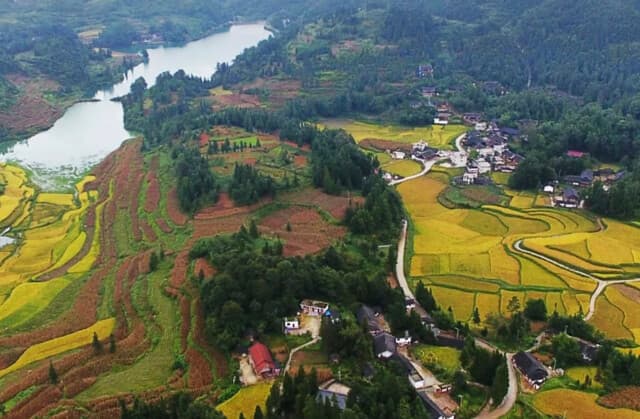
Verified Carbon Standard
China · Afforestation
CRISP project rating: 4.2 / 5
View project details

Verified Carbon Standard
Guatemala · REDD
CRISP project rating: 3.6 / 5
View project details
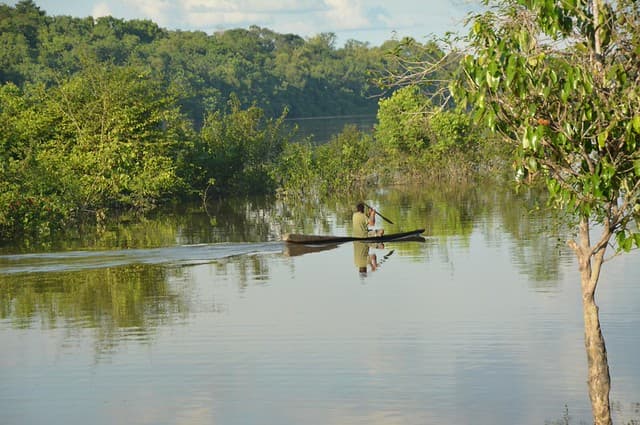
Verified Carbon Standard
Colombia · REDD
CRISP project rating: 3.3 / 5
View project details

Verified Carbon Standard
Cambodia · REDD
CRISP project rating: 3.5 / 5
View project details
Verified Carbon Standard
Bangladesh · Fugitive Emissions From Fuels
CRISP project rating: 5.0 / 5
View project details
Verified Carbon Standard
Bangladesh · Fugitive Emissions From Fuels
CRISP project rating: 4.8 / 5
View project details
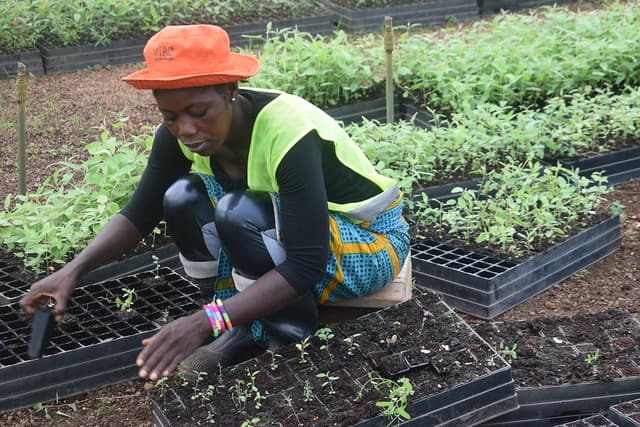
Verified Carbon Standard
Ghana · Afforestation
CRISP project rating: 4.0 / 5
View project details
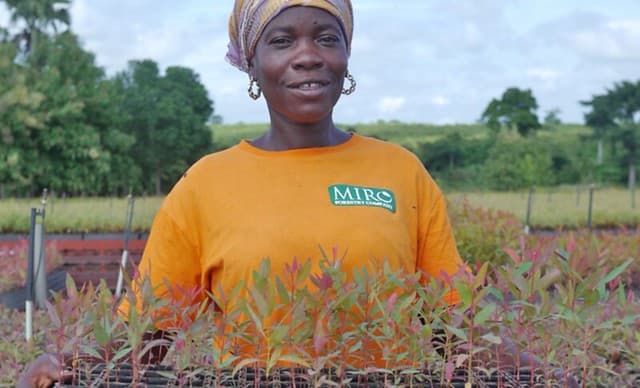
Verified Carbon Standard
Sierra Leone · Afforestation
CRISP project rating: 4.0 / 5
View project details
Verified Carbon Standard
India · Solar Power
CRISP project rating: 3.8 / 5
View project details

Verified Carbon Standard
Indonesia · REDD
CRISP project rating: 3.7 / 5
View project details
Verified Carbon Standard
Bulgaria · Wind Power
CRISP project rating: 4.0 / 5
View project details
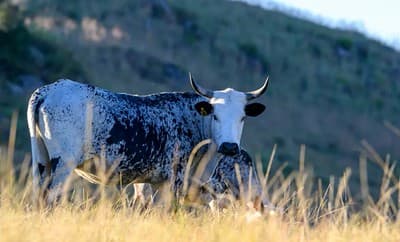
Verified Carbon Standard
South Africa · Grassland Restoration
CRISP project rating: 4.2 / 5
View project details
Verified Carbon Standard
Brazil · REDD
CRISP project rating: 3.5 / 5
View project details
Verified Carbon Standard
Thailand · Wind Power
CRISP project rating: 3.9 / 5
View project details
Verified Carbon Standard
India · Wind Power
CRISP project rating: 3.9 / 5
View project details
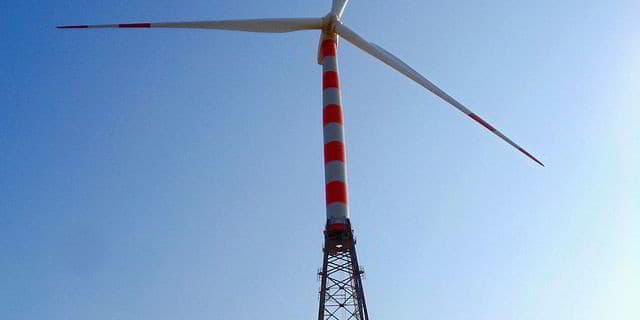
Verified Carbon Standard
India · Wind Power
CRISP project rating: 3.9 / 5
View project details
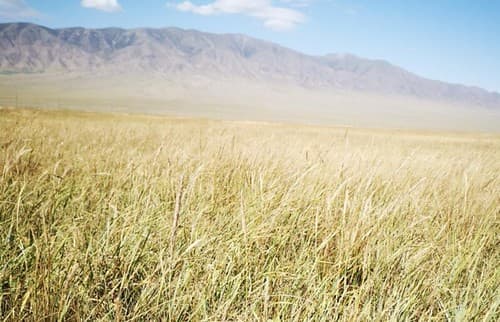
Verified Carbon Standard
China · Grassland Restoration
CRISP project rating: 3.8 / 5
View project details
Verra is a non-profit that runs the Verified Carbon Standard Program along with other standards such as the Climate, Community and Biodiversity Standards. Under the VCS, a project follows an approved methodology, is validated by an independent auditor before it starts and verified as it runs, and then receives Verified Carbon Units on the Verra Registry. One VCU represents one tonne of CO₂e reduced or removed.
Verra sets the rules and operates the registry. It does not sell credits. Credits are sold by project developers and through brokers and marketplaces like this one.
Every VCS project page here shows the Verra project ID, for example VCS2649. Search for it on the Verra Registry to see the project description, the methodology, validation and verification reports, VCU issuances by vintage and the retirement records.
The methodology defines what counts as a reduction and how it is measured. The vintage is the year the reduction happened; older vintages are usually cheaper and there is nothing wrong with them as long as the credit is retired properly. Risk differs by project type: forest protection depends on a credible baseline and controlling leakage, land-based removals face reversal risk, which the VCS covers with a pooled buffer of credits, and energy projects depend on showing the project would not have happened anyway.
Every VCS project must clear ten threshold principles, including an approved methodology, a defined boundary, accounting for leakage, demonstrated additionality and a rigorous monitoring plan. Carbon Footprint’s guide to VCS carbon credits on carbonfootprint.com explains each principle in detail.
The VCS covers a very wide range of methodologies, from renewable energy and landfill gas to REDD forest protection, afforestation, biochar and the weatherisation of buildings. That breadth is why a project-level assessment matters as much as the standard itself.
A VCU only counts against your footprint once it is retired on the Verra Registry. When you pay, we retire the VCUs in your name, or your organisation’s name, and issue your certificate immediately. Retirements are public and permanent. Carbon Footprint Ltd is audited annually against the Quality Assurance Standard to confirm that every credit sold is retired.
The Carbon Marketplace sources certified credits from projects. When you purchase through our marketplace, we retire the credits on the registry in your name, or your organisation’s name, and issue your certificate straight away. The certification tells you the project meets the standard’s rules. Our separate CRISP rating tells you how strong the evidence is for that particular project.
CRISP, the Carbon Ratings Insight Platform, reviews each project’s design document, verification and monitoring reports, scores five criteria out of 5 with a written justification for each, and averages them into the overall rating you see on every project card. More than 1,800 projects are rated and the ratings are free to read.
No. Verra runs the standard and the registry. Credits are sold by the projects that earn them, either directly or through brokers and marketplaces. The Carbon Marketplace buys from projects and retires the VCUs in your name.
A Verified Carbon Unit is one tonne of CO₂e reduced or removed by a VCS project, verified by an independent auditor and issued on the Verra Registry with a unique serial number.
Some REDD forest projects were found to have overstated baselines, and Verra has since replaced the REDD methodologies with a consolidated approach using jurisdictional baselines. The lesson is that quality varies by project, so use the CRISP rating and the registry documents rather than relying on the standard alone.
VCS certifies the emission reductions. The Climate, Community and Biodiversity Standards are an additional Verra label for land-based projects that demonstrate community and biodiversity benefits. A project can hold both.
The vintage is the year the reduction occurred. Recent vintages are more expensive and some buyers prefer them for reporting, but a properly retired older vintage still represents a real, verified tonne. Check that the vintage offered matches an issuance on the registry.
Each project is scored out of 5 on additionality, permanence, quantification, leakage and ICVCM Core Carbon Principles status, with a written justification for every score. The overall rating is the average of the five. The full breakdown for each project is free to read on carbonoffsetratings.org, and each project page here links to it.
Compare the project activity, standard, available vintages and CRISP assessment. Sign in to see the price and purchasing options available to your account.
Start with measuring and reducing your emissions. Supporting carbon projects can form part of your wider climate action plan.