
Verified Carbon Standard
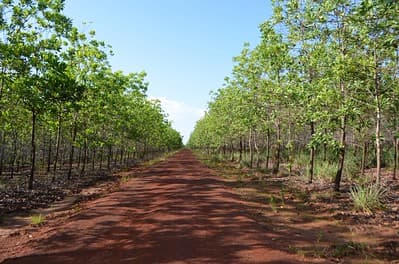
Afforestation of Degraded Grasslands in Vichada, Colombia
Colombia · Afforestation
CRISP project rating: 4.2 / 5
View project details
Removal credits pay for carbon that has been taken out of the atmosphere and stored, rather than emissions that were avoided. Compare the available removal projects below, then read what to check before buying.
Verra Registry ↗Gold Standard Impact Registry ↗Carbon removal pathways (carbonfootprint.com) ↗How CRISP ratings work (carbonoffsetratings.org) ↗
10 projects currently listed in this category. Availability and vintages may change.
Verified Carbon Standard
Colombia · Afforestation
CRISP project rating: 4.2 / 5
View project details
Verified Carbon Standard
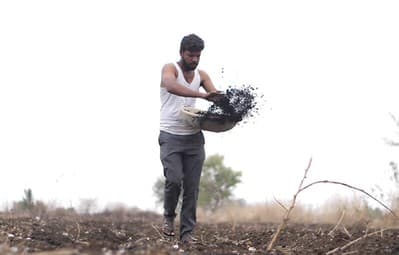
India · Biochar
CRISP project rating: 4.4 / 5
View project details
Climate Action Reserve (CAR)
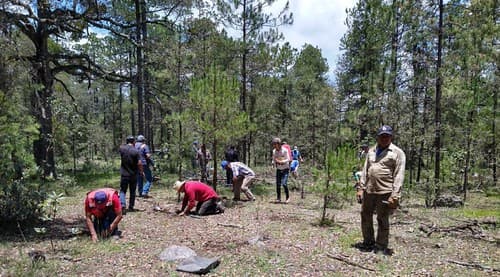
Mexico · Afforestation
CRISP project rating: 4.2 / 5
View project details
See prices and buy
Prices per tonne are shown once you have a free account. It takes under a minute and needs no card.
Prefer to look around first? Browse the marketplace as a guest, without prices.

Gold Standard
Panama · Afforestation
CRISP project rating: 3.9 / 5
View project details

Verified Carbon Standard
India · Biochar
CRISP project rating: 4.6 / 5
View project details
Verified Carbon Standard
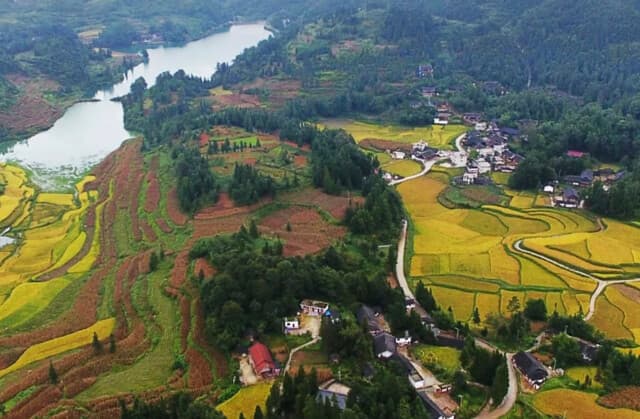
China · Afforestation
CRISP project rating: 4.2 / 5
View project details

Verified Carbon Standard
Ghana · Afforestation
CRISP project rating: 4.0 / 5
View project details

Verified Carbon Standard
Sierra Leone · Afforestation
CRISP project rating: 4.0 / 5
View project details

Verified Carbon Standard
South Africa · Grassland Restoration
CRISP project rating: 4.2 / 5
View project details
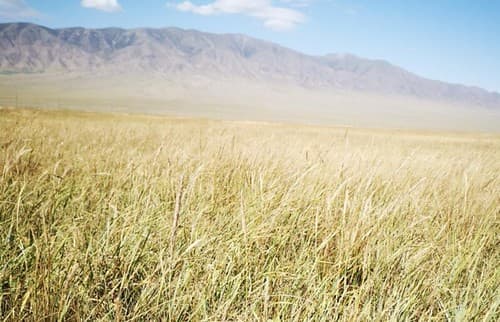
Verified Carbon Standard
China · Grassland Restoration
CRISP project rating: 3.8 / 5
View project details
Nature-based removals grow or restore carbon stocks: afforestation and reforestation, mangrove and grassland restoration, and soil carbon. They are affordable and bring biodiversity and community benefits, but the carbon can be lost to fire, disease or land-use change, so permanence has to be managed.
Engineered removals lock carbon away for far longer: biochar buried in soils, enhanced rock weathering, carbonated building materials and direct air capture with geological storage. They cost several times more per tonne because the technology is young and capacity is small.
Reaching net zero means cutting emissions first and then neutralising what remains with removals, not avoidance. Corporate frameworks such as the Science Based Targets initiative expect residual emissions at the net-zero date to be balanced with permanent removals. Many buyers start with a blend of removal and avoidance credits and raise the removal share over time.
The questions that matter most for removals are about storage, not just capture.
Storage durability is the main driver. Afforestation credits on this marketplace are typically in the same range as other nature-based credits, while biochar and other engineered removals cost from around £150 per tonne. Prices exclude VAT and include retirement, certificate and payment fees. Applicable VAT is added at checkout. Sign in to see live prices.
CRISP, the Carbon Ratings Insight Platform, reviews each project’s design document, verification and monitoring reports, scores five criteria out of 5 with a written justification for each, and averages them into the overall rating you see on every project card. More than 1,800 projects are rated and the ratings are free to read.
An avoidance credit pays for emissions that were prevented, such as a wind farm replacing coal power or a stove that burns less wood. A removal credit pays for carbon taken out of the atmosphere and stored, such as a new forest or biochar. Both are one tonne of CO₂e; removals are needed to neutralise residual emissions at net zero.
Trees and soils store carbon for decades to centuries but can lose it to fire, pests or clearing. Standards manage this with long monitoring periods and buffer pools of unsold credits that replace any reversals. Engineered removals such as biochar and mineralisation store carbon for hundreds to thousands of years.
Direct air capture, enhanced weathering and biochar are early-stage technologies with small capacity and high energy or processing costs. Prices are falling as plants scale up, and buying now helps fund that growth.
Yes, and most buyers do. A common approach is to cover the whole footprint with a blend and increase the removal share each year, or to use removals for the residual emissions that cannot be cut and avoidance credits for the rest.
Each project is scored out of 5 on additionality, permanence, quantification, leakage and ICVCM Core Carbon Principles status, with a written justification for every score. The overall rating is the average of the five. The full breakdown for each project is free to read on carbonoffsetratings.org, and each project page here links to it.
Compare the project activity, standard, available vintages and CRISP assessment. Sign in to see the price and purchasing options available to your account.
Start with measuring and reducing your emissions. Supporting carbon projects can form part of your wider climate action plan.