
Gold Standard
150 MW Solar PV Plant Project by Juniper Green Field in Maharashtra
India · Solar Power
CRISP project rating: 3.9 / 5
View project details
Gold Standard certified projects must show verified emission reductions and measurable benefits for local communities. Compare the available projects below, then read what the certification does and does not tell you.
Gold Standard Impact Registry ↗About Gold Standard for the Global Goals ↗How CRISP ratings work (carbonoffsetratings.org) ↗
26 projects currently listed in this category. Availability and vintages may change.
Gold Standard
India · Solar Power
CRISP project rating: 3.9 / 5
View project details
Gold Standard
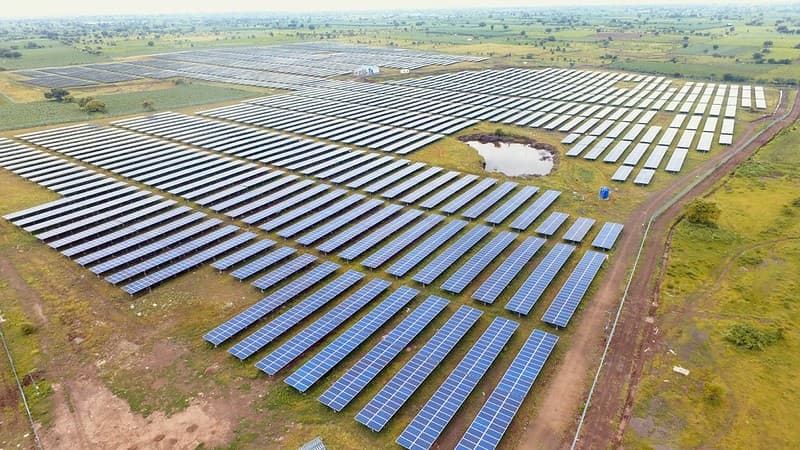
India · Solar Power
CRISP project rating: 4.0 / 5
View project details
Gold Standard
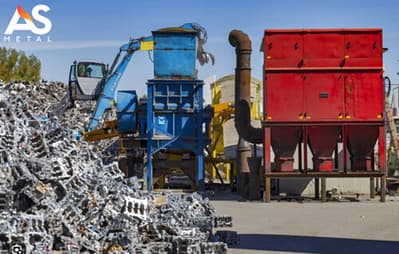
Romania · Energy Efficiency
CRISP project rating: 4.2 / 5
View project details
See prices and buy
Prices per tonne are shown once you have a free account. It takes under a minute and needs no card.
Prefer to look around first? Browse the marketplace as a guest, without prices.
Gold Standard
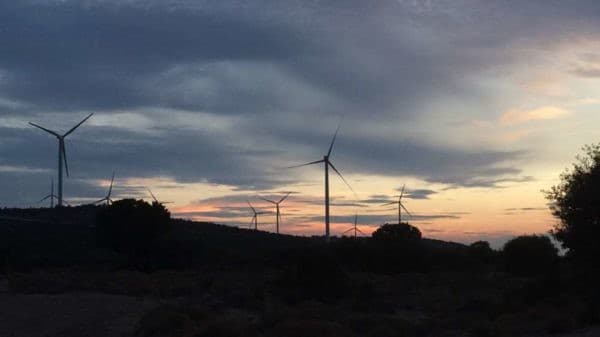
Turkey · Wind Power
CRISP project rating: 4.0 / 5
View project details
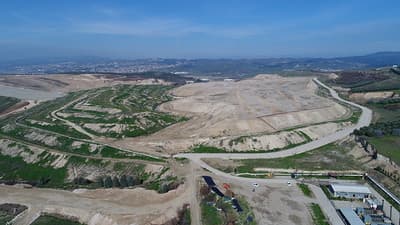
Gold Standard
Turkey · Land Fill Gas
CRISP project rating: 4.8 / 5
View project details

Gold Standard
Panama · Afforestation
CRISP project rating: 3.9 / 5
View project details
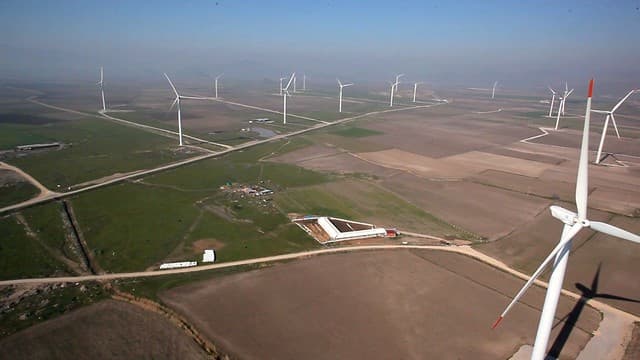
Gold Standard
Turkey · Wind Power
CRISP project rating: 3.9 / 5
View project details

Gold Standard
Rwanda · Cookstove
CRISP project rating: 4.4 / 5
View project details
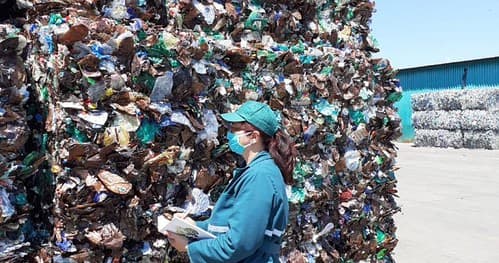
Gold Standard
Romania · Energy Efficiency
CRISP project rating: 4.6 / 5
View project details
Gold Standard
India · Wind Power
CRISP project rating: 3.8 / 5
View project details
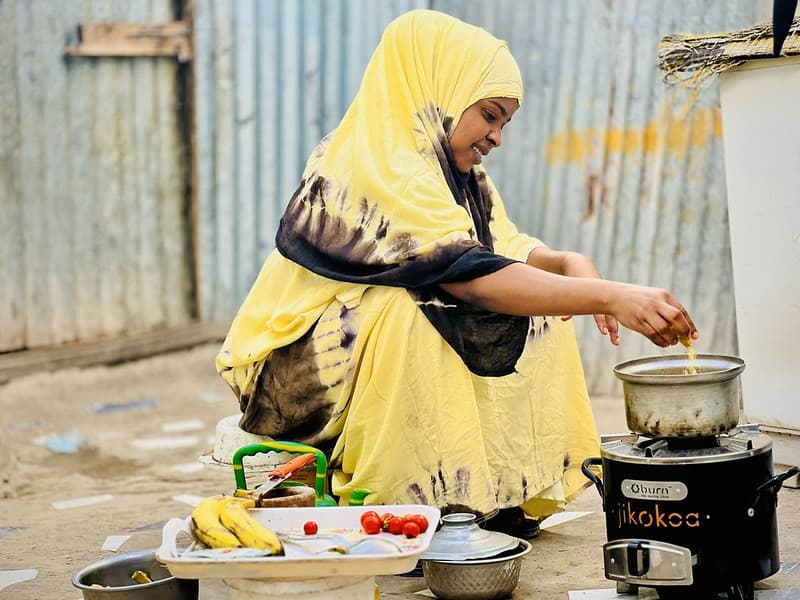
Gold Standard
Somalia · Cookstove
CRISP project rating: 4.4 / 5
View project details
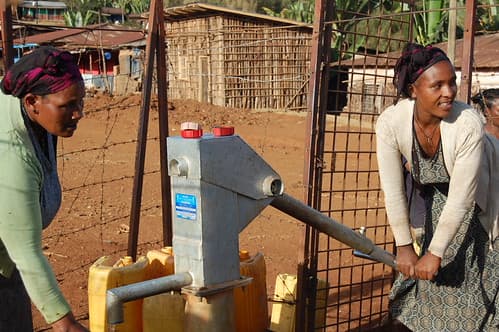
Gold Standard
Ethiopia · Clean Drinking Water
CRISP project rating: 4.6 / 5
View project details
Gold Standard
India · Cookstove
CRISP project rating: 4.6 / 5
View project details
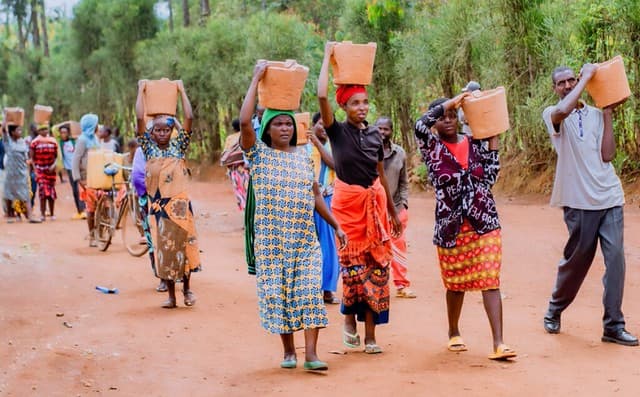
Gold Standard
Rwanda · Cookstove
CRISP project rating: 4.4 / 5
View project details
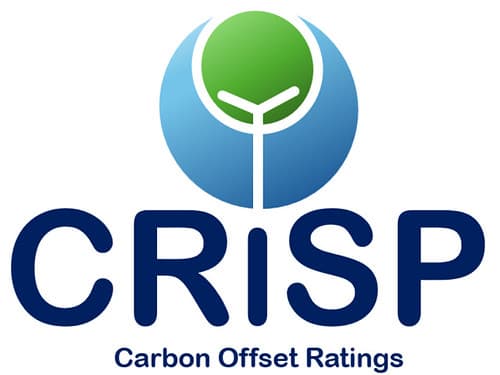
Gold Standard
Ethiopia · Clean Drinking Water
CRISP project rating: 4.4 / 5
View project details
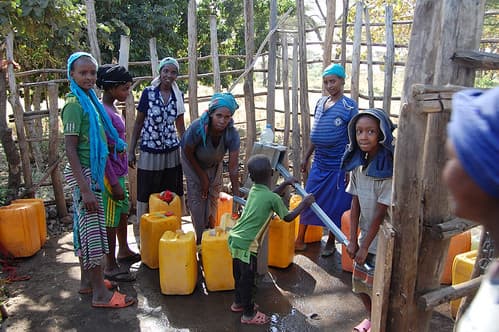
Gold Standard
Ethiopia · Clean Drinking Water
CRISP project rating: 4.2 / 5
View project details
Gold Standard
Togo · Clean Drinking Water
CRISP project rating: 4.4 / 5
View project details
Gold Standard
Togo · Clean Drinking Water
CRISP project rating: 4.4 / 5
View project details
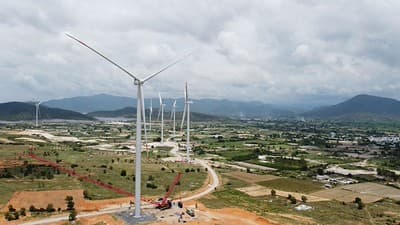
Gold Standard
Vietnam · Wind Power
CRISP project rating: 3.9 / 5
View project details
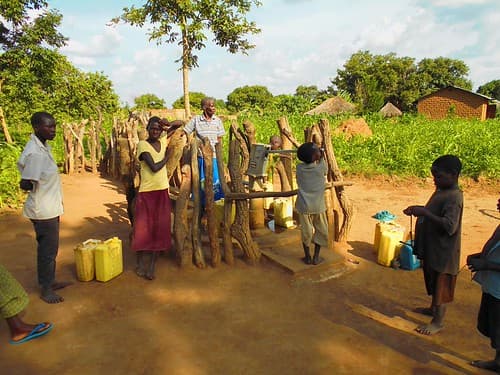
Gold Standard
Uganda · Clean Drinking Water
CRISP project rating: 4.4 / 5
View project details
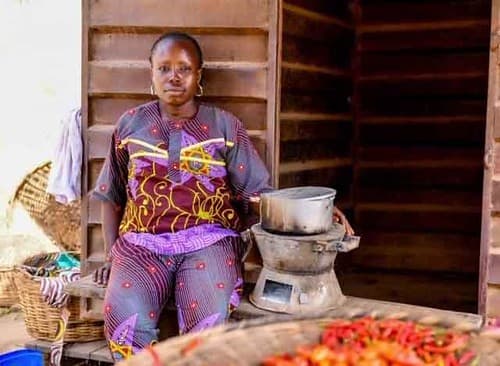
Gold Standard
Nigeria · Cookstove
CRISP project rating: 4.4 / 5
View project details
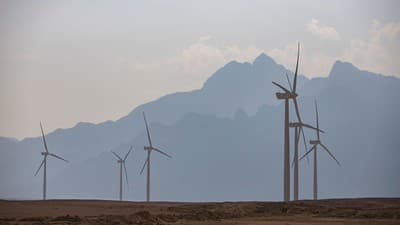
Gold Standard
Egypt · Wind Power
CRISP project rating: 4.0 / 5
View project details
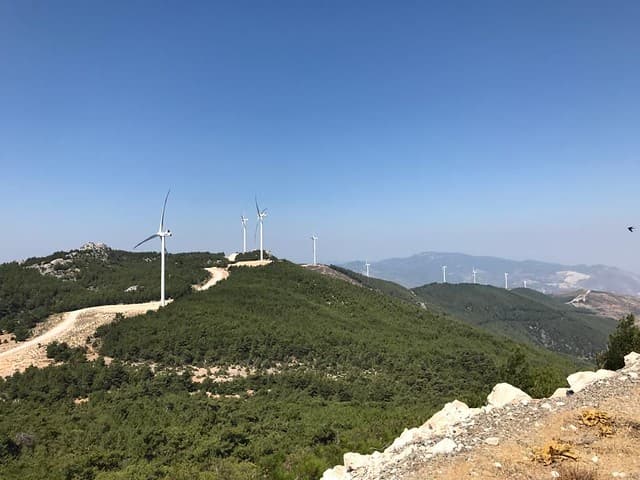
Gold Standard
Turkey · Wind Power
CRISP project rating: 3.9 / 5
View project details
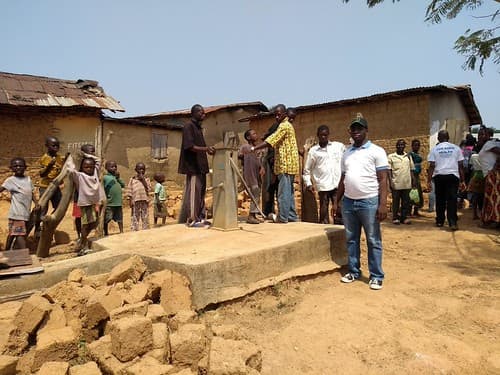
Gold Standard
Sierra Leone · Clean Drinking Water
CRISP project rating: 4.0 / 5
View project details
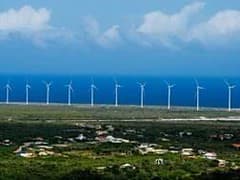
Gold Standard
Aruba · Wind Power
CRISP project rating: 4.0 / 5
View project details
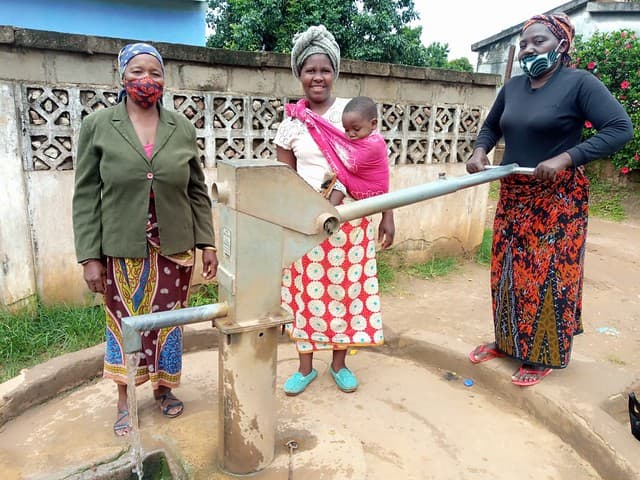
Gold Standard
Zambia · Clean Drinking Water
CRISP project rating: 4.4 / 5
View project details
Gold Standard was set up in 2003 by WWF and other international NGOs to raise the bar for carbon projects. Under Gold Standard for the Global Goals, a project must reduce or remove greenhouse gases and also deliver verified contributions to at least three UN Sustainable Development Goals, such as health, clean energy or decent work.
Every project is validated before it starts and verified while it runs by an independent auditor approved by Gold Standard. Each certified reduction becomes one Verified Emission Reduction, a credit representing one tonne of CO₂e, issued and tracked on the Gold Standard Impact Registry.
Every project page on this marketplace shows the project’s Gold Standard ID. Search for it on the Impact Registry to see the project design document, monitoring reports, the credits issued for each vintage and every retirement.
Gold Standard is strongest in community projects: efficient cookstoves, safe drinking water, household biogas, and small renewable energy schemes. It also certifies afforestation and reforestation projects and some agricultural and land-use activities. The pills above the projects filter the marketplace to what is available right now.
Project type has the biggest effect: community projects with strong health and social benefits cost more than large renewable energy schemes. Newer vintages, smaller supply, additional labels such as the ICVCM Core Carbon Principles, and the volume you buy all move the price. Marketplace prices exclude VAT and include registry retirement, your certificate and payment fees. Applicable VAT is added at checkout. Sign in to see live prices.
Buying a credit does not by itself claim its benefit. The credit must be retired, which permanently removes it from circulation on the registry. When you pay, we retire the credits on the Gold Standard Impact Registry in your name and issue a certificate immediately. Carbon Footprint Ltd is audited annually against the Quality Assurance Standard to confirm every sale is matched by a retirement.
The Carbon Marketplace sources certified credits from projects. When you purchase through our marketplace, we retire the credits on the registry in your name, or your organisation’s name, and issue your certificate straight away. The certification tells you the project meets the standard’s rules. Our separate CRISP rating tells you how strong the evidence is for that particular project.
CRISP, the Carbon Ratings Insight Platform, reviews each project’s design document, verification and monitoring reports, scores five criteria out of 5 with a written justification for each, and averages them into the overall rating you see on every project card. More than 1,800 projects are rated and the ratings are free to read.
They are different, not ranked. Gold Standard requires verified sustainable development benefits alongside emission reductions and focuses on community-scale projects. Verra’s VCS covers a wider range of project types and methodologies at larger scale. Both are approved programmes under the ICVCM Core Carbon Principles. Quality varies project by project within each standard, which is why every project here carries its own CRISP rating.
A Verified Emission Reduction is one tonne of CO₂e reduced or removed by a Gold Standard certified project, verified by an independent auditor and issued on the Gold Standard Impact Registry with a unique serial number.
Yes. Retirement records on the Gold Standard Impact Registry show the beneficiary name and credit serial numbers. Your marketplace certificate lists the purchased projects and quantities; credit serial numbers are recorded on the registry, not on the certificate.
Gold Standard is a CCP-eligible programme, and the label is granted methodology by methodology. Where a project’s methodology has been approved, the marketplace shows it and you can filter for CCP-labelled credits when you sign in.
Most Gold Standard projects are community projects with monitored health, gender and livelihood benefits, which cost more to run and verify than large renewable energy schemes. The price reflects that extra impact and evidence.
Each project is scored out of 5 on additionality, permanence, quantification, leakage and ICVCM Core Carbon Principles status, with a written justification for every score. The overall rating is the average of the five. The full breakdown for each project is free to read on carbonoffsetratings.org, and each project page here links to it.
Compare the project activity, standard, available vintages and CRISP assessment. Sign in to see the price and purchasing options available to your account.
Start with measuring and reducing your emissions. Supporting carbon projects can form part of your wider climate action plan.