
Gold Standard
Gold Standard Foundation GS 7591 VPA 53 Improved Cookstove Distribution in Kayonza, Bugesera and Nyamasheke Districts of Rwanda (GS 12227)
Rwanda · Cookstove
CRISP project rating: 4.4 / 5
View project details
Clean cooking projects replace open fires and inefficient stoves with cleaner ones, cutting fuel use, smoke and deforestation pressure. Compare the available projects below, then read how the credits are calculated and what to check.
Gold Standard Impact Registry ↗Verra Registry ↗Bespoke portfolios and advice (carbonfootprint.com) ↗How CRISP ratings work (carbonoffsetratings.org) ↗
5 projects currently listed in this category. Availability and vintages may change.
Gold Standard
Rwanda · Cookstove
CRISP project rating: 4.4 / 5
View project details
Gold Standard
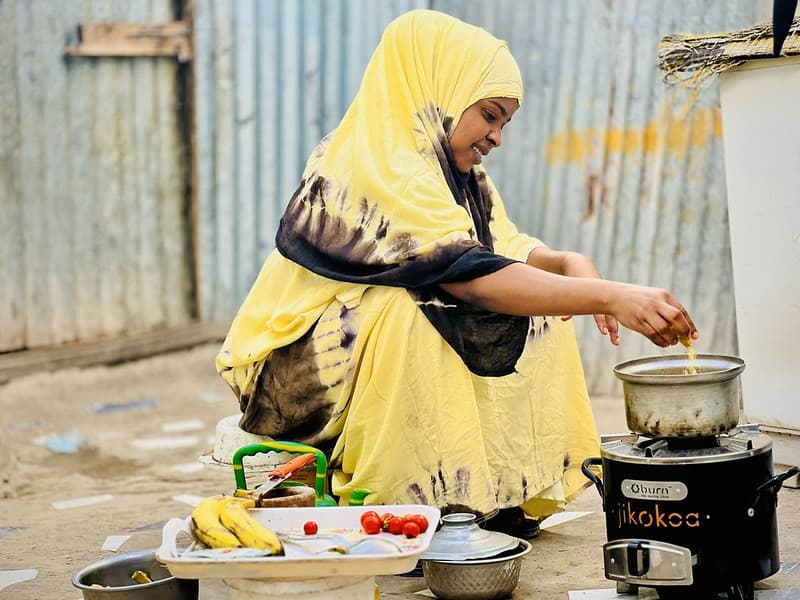
Somalia · Cookstove
CRISP project rating: 4.4 / 5
View project details
Gold Standard
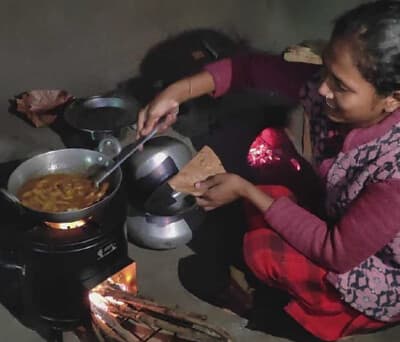
India · Cookstove
CRISP project rating: 4.6 / 5
View project details
See prices and buy
Prices per tonne are shown once you have a free account. It takes under a minute and needs no card.
Prefer to look around first? Browse the marketplace as a guest, without prices.
Gold Standard
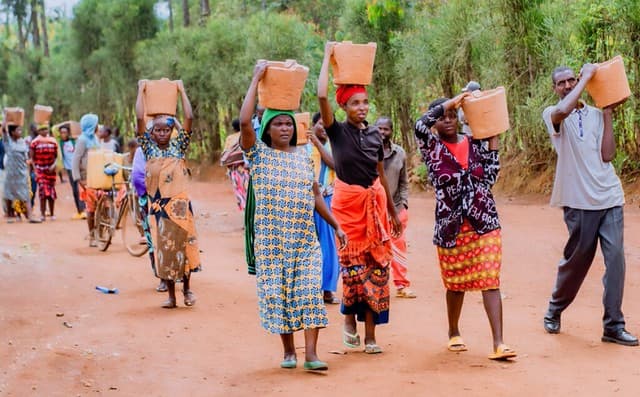
Rwanda · Cookstove
CRISP project rating: 4.4 / 5
View project details
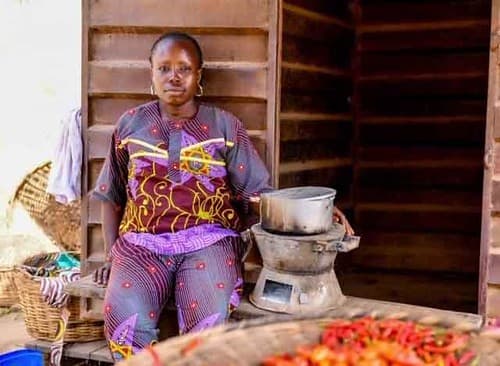
Gold Standard
Nigeria · Cookstove
CRISP project rating: 4.4 / 5
View project details
Around a third of the world’s population cooks on open fires or basic stoves burning wood or charcoal. An efficient stove, a solar cooker or a switch to a cleaner fuel uses far less fuel, so less wood is cut and less CO₂ and black carbon are released. The credit represents the emissions avoided compared with the household’s previous cooking, measured over the monitoring period.
These projects deliver some of the strongest co-benefits of any credit: fewer respiratory illnesses from indoor smoke, hours saved collecting fuel, lower household fuel costs and reduced pressure on local forests. That is why they are common under Gold Standard and often carry several Sustainable Development Goals.
Clean cooking credits are only as good as the data behind two numbers: how much fuel is really saved, and how much of that fuel would otherwise have been unsustainably harvested.
Clean cooking and safe water credits on this marketplace are typically priced between the cheapest renewable energy credits and the more expensive nature-based projects. Projects with metered monitoring, verified health benefits or the ICVCM Core Carbon Principles label cost more. Prices exclude VAT and include retirement, certificate and payment fees. Applicable VAT is added at checkout. Sign in to see live prices.
CRISP, the Carbon Ratings Insight Platform, reviews each project’s design document, verification and monitoring reports, scores five criteria out of 5 with a written justification for each, and averages them into the overall rating you see on every project card. More than 1,800 projects are rated and the ratings are free to read.
They can be, and the best projects are among the highest-impact credits available. The risk is over-crediting when fuel savings or the share of non-renewable wood are overestimated. Newer methodologies require conservative values and better usage monitoring. Use the CRISP rating to see how each project measures up.
It is the share of the wood a household burns that would not have regrown, so its carbon counts as a real emission. Projects use it to convert fuel savings into tonnes of CO₂e. Higher values mean more credits, so conservative, well-evidenced figures are a sign of quality.
No. They are avoidance credits: they prevent emissions that would otherwise have happened. They are a good fit for compensating a current footprint and for supporting community benefits, alongside removals for the long term.
Less indoor smoke and fewer respiratory illnesses, time and money saved on fuel, reduced pressure on forests, and local jobs making and maintaining stoves. Gold Standard projects verify contributions to at least three UN Sustainable Development Goals.
Each project is scored out of 5 on additionality, permanence, quantification, leakage and ICVCM Core Carbon Principles status, with a written justification for every score. The overall rating is the average of the five. The full breakdown for each project is free to read on carbonoffsetratings.org, and each project page here links to it.
Compare the project activity, standard, available vintages and CRISP assessment. Sign in to see the price and purchasing options available to your account.
Start with measuring and reducing your emissions. Supporting carbon projects can form part of your wider climate action plan.